

HONESTY IS THE ROOT
Quality is always satisfactory
Hotline
400-606-8981
NEWS CATEGORY
HOT PRODUCT
MORE
-
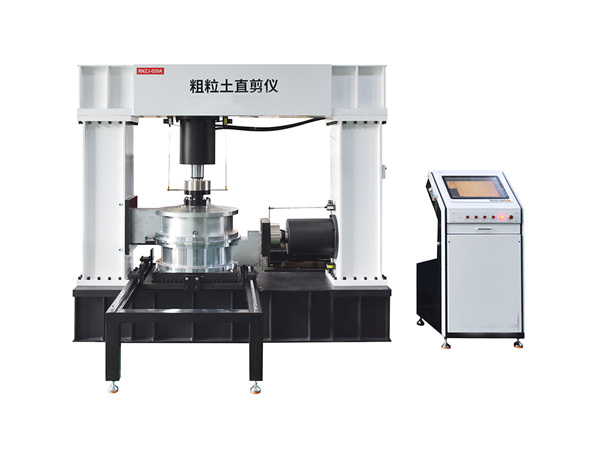 Coarse grained soil direct shear tester
The coarse-grained soil direct shear tester is mainly used for on-site testing and research of dam ma...
-
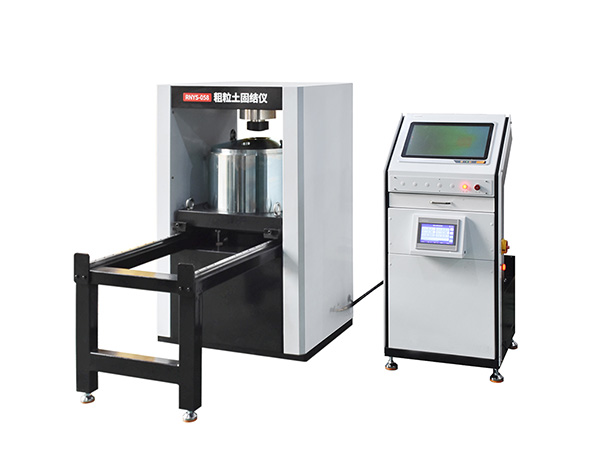 Coarse grained soil consolidation tester
The coarse-grained soil consolidation tester is used to determine the relationship between deformatio...
-
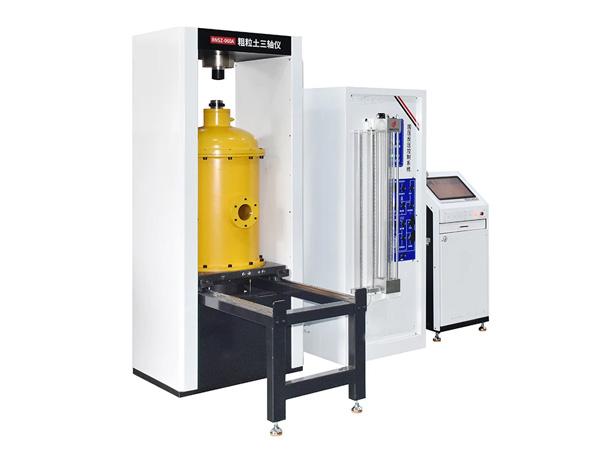 Coarse grained soil triaxial compression tester
This testing machine adopts our company's servo pump control,which has low noise and energy consumpti...
-
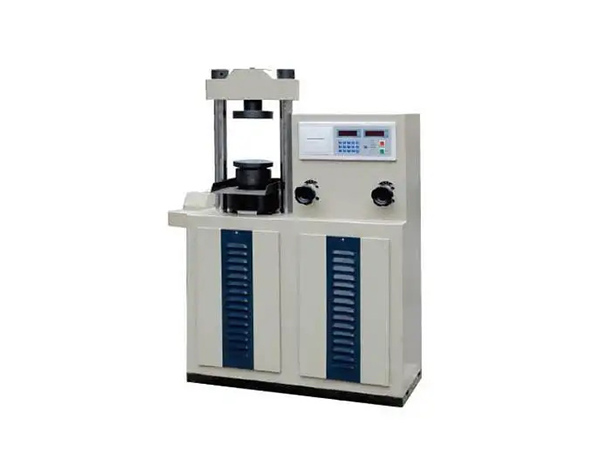 Cement constant stress pressure testing machine
This cement constant stress pressure testing machine is mainly used for compressive testing of cement...
-
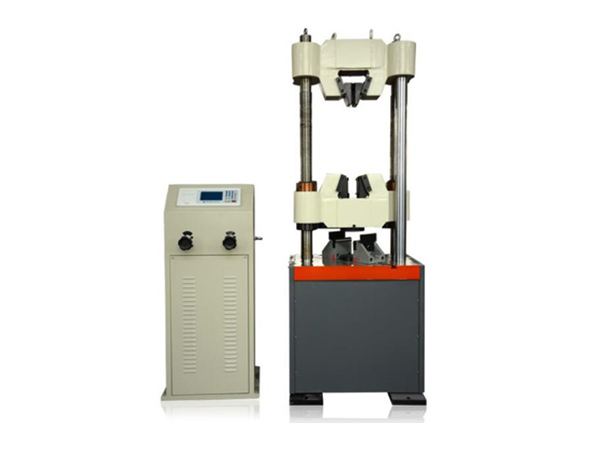 Digital universal material testing machine
The digital universal material testing machine is suitable for tensile, compressive, bending, shear a...
Principle and Structure of Multi channel Non metallic Ultrasonic Pile Measuring Instrument
Dec 25
2024
NEWS DETAIL
Multi channel non-metallic ultrasonic pile tester is a testing equipment used in the civil engineering industry, mainly for the detection and evaluation of non-metallic pile foundations. It utilizes ultrasonic technology to analyze the physical properties and structural conditions of soil and piles by sending and receiving ultrasonic signals
Based on the propagation and reflection principles of ultrasound, the working principle is briefly described as follows:
1. Transmitting ultrasonic waves: Transmitting ultrasonic pulse signals through internal devices or external sensors. These ultrasonic pulse signals are typically in the range of several hundred kHz to several megahertz
2. Ultrasonic propagation: Once ultrasonic waves are emitted, they propagate through soil or structures at a high speed. The propagation speed of sound waves depends on the density, elastic modulus, and other physical parameters of the medium
3. Receiving echo signals: When ultrasonic waves encounter interfaces or reflectors in a medium, they will reflect, refract, or scatter, producing a series of echo signals
4. Detection and analysis of piles: By analyzing the received echo signals, the pile measuring instrument can determine the intensity, time delay, and morphological characteristics of each echo. By comparing the characteristics of echo signals, information about soil properties, underground structure locations, and states can be obtained5.
Data processing and interpretation: Usually equipped with specialized data processing software, it can further process and interpret the received signals. These software algorithms are capable of extracting and analyzing the features of signals, and converting them into readable charts, curves, or numerical dataIt usually consists of the following main parts:
1. Transmitter and Receiver: The transmitter is used to send ultrasonic signals, while the receiver is used to receive reflected signals. Usually adopting a multi-channel design, multiple ultrasonic signals can be sent simultaneously to improve testing efficiency
2. Control system: Set test parameters, control signal transmission and reception through the control panel or computer software, and monitor and record data in real time
3. Data processing module: After the received ultrasonic signals are amplified, filtered, and digitized, they are analyzed and interpreted through algorithms to obtain relevant parameters and information about the soil and pile body
4. Display and Recording System: Display test results in graphical, numerical, or textual form on the screen, and save data as files for subsequent analysis and report generation
5. Probes and sensors: In order to meet different testing needs, various types of probes and sensors are usually equipped, such as fixed sensors, mobile sensors, etc., to facilitate testing of pile foundations of different structures and sizes.