

HONESTY IS THE ROOT
Quality is always satisfactory
Hotline
400-606-8981
NEWS CATEGORY
HOT PRODUCT
MORE
-
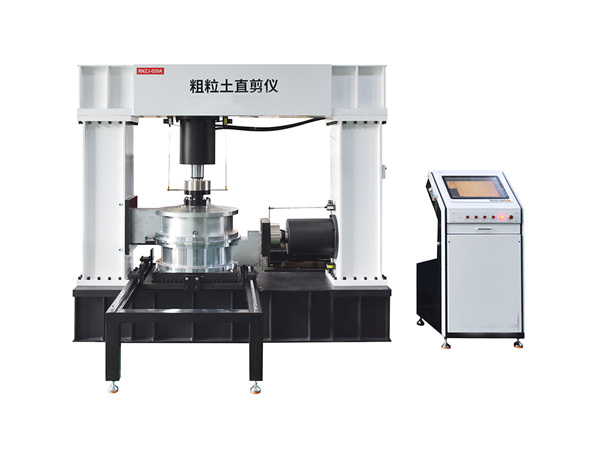 Coarse grained soil direct shear tester
The coarse-grained soil direct shear tester is mainly used for on-site testing and research of dam ma...
-
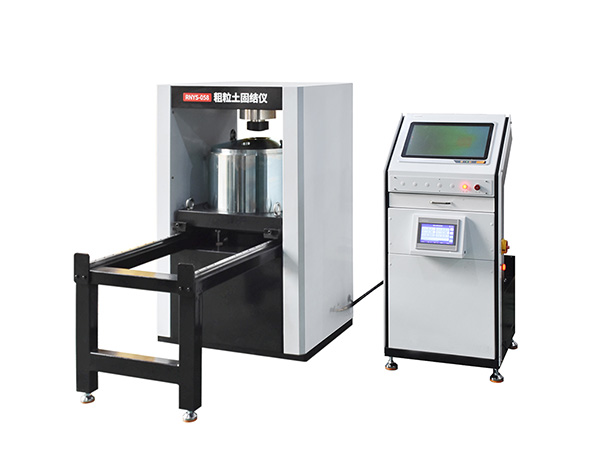 Coarse grained soil consolidation tester
The coarse-grained soil consolidation tester is used to determine the relationship between deformatio...
-
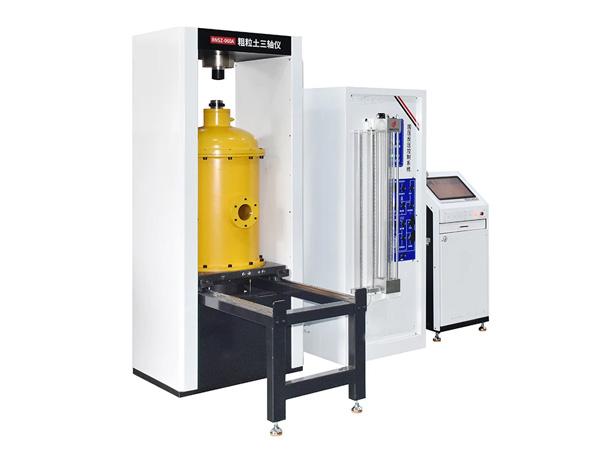 Coarse grained soil triaxial compression tester
This testing machine adopts our company's servo pump control,which has low noise and energy consumpti...
-
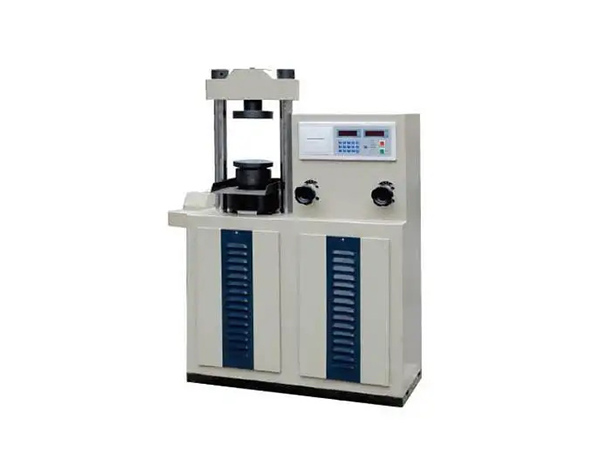 Cement constant stress pressure testing machine
This cement constant stress pressure testing machine is mainly used for compressive testing of cement...
-
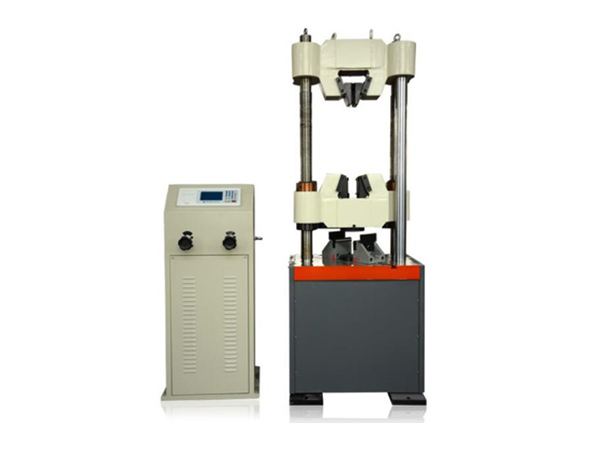 Digital universal material testing machine
The digital universal material testing machine is suitable for tensile, compressive, bending, shear a...
How to correctly use a plastic concrete permeability tester for permeability testing
Dec 25
2024
NEWS DETAIL
The plastic concrete permeability tester is an important tool for evaluating the impermeability performance of concrete materials and is of great significance for confirming engineering quality. This article will provide a detailed introduction on how to correctly use a plastic concrete permeability tester for permeability testing, in order to confirm the accuracy and superiority of the test results
Firstly, before conducting penetration testing, it is necessary to conduct a comprehensive inspection of the testing instrument to confirm that it is intact and functioning properly. The inspection includes checking whether key components such as power supply, pressure gauge, and flow meter are intact, as well as whether all connection parts are tightened. At the same time, it is necessary to prepare the required concrete specimens, confirm their size and shape meet the test requirements, and fully cure them to the specified ageNext, install the concrete specimen onto the testing instrument according to its instructions or operating procedures. During the installation process, it is necessary to confirm that the sealing between the specimen and the testing instrument is good to avoid leakage during the testing process. After installation, the testing instrument needs to be preheated or preloaded to confirm its stable operationThen, proceed with penetration testing. During testing, an appropriate pressure range and testing time should be set based on the actual engineering conditions and testing requirements of the concrete. During the testing process, it is important to closely monitor the changes in the readings of the pressure gauge and the flow rate of the flow meter. If any abnormal situation is found, the machine should be stopped for inspection in a timely manner, and the fault should be eliminated before continuing the testAfter the testing is completed, the experimental data needs to be recorded and analyzed. The recorded content includes key data such as testing time, pressure changes, and flow rate changes. At the same time, it is necessary to calculate the permeability coefficient and other performance indicators of concrete based on experimental data in order to evaluate the impermeability performance of concreteAfterwards, it is necessary to clean and maintain the testing instrument. When cleaning, be careful to avoid using highly corrosive cleaning agents or tools to prevent damage to the testing instrument. During maintenance, it is necessary to regularly check the wear and tear of each component and replace damaged parts in a timely manner to confirm the long-term stable operation of the testing instrumentIn short, the correct use of a plastic concrete permeability tester for permeability testing is the key to confirming the accuracy and goodness of the test results. In practical operation, it is necessary to strictly follow the operating procedures and pay attention to the maintenance and upkeep of the testing instrument