


HONESTY IS THE ROOT
Quality is always satisfactory
Hotline
400-606-8981
PRODUCT CATEGORY
LATEST NEWS
MORE
PRODUCT DETAILS
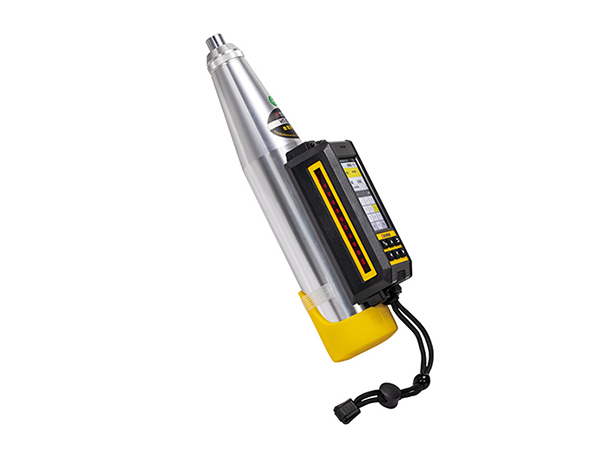
ZK-225J/JC Digital Rebound Tester Application Industry
Non destructive testing of compressive strength of concrete structures such as buildings, bridges, tunnels, etc
Features
Laser detection module, contactless, frictionless, long service life, high accuracy;
2.8-inch touch LCD screen, diversified input methods, simple interface, easy to operate Built in Bluetooth chip, can connect to mobile app to upload rebound data in real time Optional Bluetooth printer, on-site printing of original records and test resultsSupport remote upgrades, synchronize industry standard updates with curves, and can be customized exclusively for users;
One on one analysis software for PC, easy to process data result analysis and generate detection reports Built in GPRS, supports data cloud upload. The instrument transmission account is built-in at the factory and can be used immediately upon startup; (Only supported by ZK-225JC)During special working condition detection without mobile phone signal, after normal detection is completed, it will automatically upload when turned on within the coverage range of mobile phone signal. (Only supported by ZK-225JC)
According to the standard
TB 10426-2019 "Code for Testing Concrete Strength of Railway Engineering Structures"
JTS 239-2015 "Technical Code for Physical Testing of Concrete Structures in Water Transport Engineering"
JGJ/T 23-2011 "Technical Code for Testing Concrete Compressive Strength by Rebound Method"
DB11/T 1446-2017 "Technical Code for Testing Concrete Compressive Strength by Rebound Method and Ultrasonic Rebound Comprehensive Method"
Rebound Method Related Landmarks in Various Provinces and Cities
Technical Indicators
Collection Instrument
Input Method: Touch, Button
Input method: Chinese, English
Data processing: automatically perform data correction, calculation, and statistical analysis according to specifications
Display mode: 2.8-inch touch LCD screen (400 × 240 pixels)
System capacity: 1000 components, Component with a large measurement area of 100
Power supply method: rechargeable, built-in 3200mAh high-capacity lithium battery
Automatic shutdown: adjustable for up to 120min
GPS positioning: available
Mechanical rebound gauge
Sensor life: over 200000 times
Strength measurement range: 10-60MPa
Nominal kinetic energy: 2.207J
Spring stiffness: 785.0 ± 30N/m
Impact hammer stroke: 75mm
Pointer friction force: 0.65 ± 0.15N
Tensile length of spring: 75 ± 0.3mm
Working length of spring for impact: 61.5 ± 0.3mm
Spherical radius at the end of the impact rod: 25 ± 1.0mm
Consistency error of indication: ≤± 0.5 (difference between mechanical rebound gauge pointer reading and instrument screen reading)
Steel anvil calibration rebound value: 80 ± 2
Industry and some local regulations for strength testing compressive strength range: Industry standard: 10-60MPa