


HONESTY IS THE ROOT
Quality is always satisfactory
Hotline
400-606-8981
PRODUCT CATEGORY
LATEST NEWS
MORE
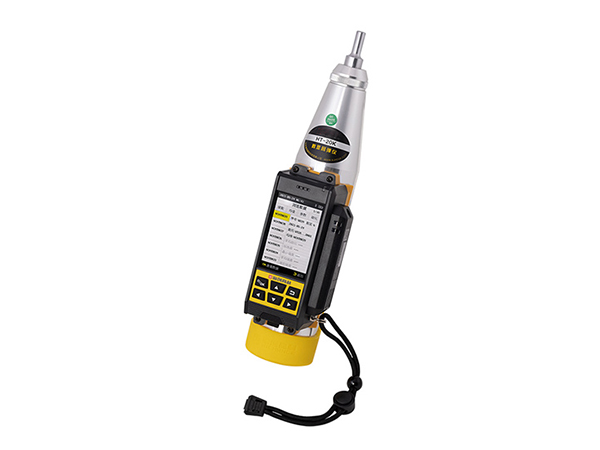
PRODUCT DETAILS
HT-20K digital mortar rebound tester is used for non-destructive testing of the strength of masonry mortar in sintered ordinary bricks or sintered porous brick masonry
Features
Built in Bluetooth chip, connected to mobile app to achieve real-time upload of rebound data on site;
Optional Bluetooth printer, on-site printing of original records and test results 2.8-inch touch LCD screen, diversified input methods, simple interface, easy to operate 3200mAh Panasonic 18650 purchased lithium battery, capable of continuous testing for three working daysSupport remote instrument software and curve upgrades, synchronize industry standard updates for curves, and can be customized exclusively for users;
The detection results can be obtained immediately, and incomplete measurement areas can be checked for results at any time One on one analysis software for PC, easy to process data result analysis and generate detection reportsAccording to the standard
GB/T 9138-2015 "Rebound Tester"
JJG 817-2011 "Rebound Tester" Verification Regulations
GB/T 50315-2011 "Technical Standard for On site Inspection of Masonry Engineering"
Industry and Some Local Regulations Strength Testing Compressive Strength Range: Industry Standard: 2-15MPa
Shandong Standard:
2-20MPaTechnical specifications
Acquisition instrument
Input method: touch, button
Input method: Chinese, English
Data processing: automatically correct, calculate, and estimate strength results according to specifications
Display mode: 2.8-inch touch LCD screen (400 × 240 pixels)
System capacity: 1000 components, with a large measurement area of 100
Power supply: rechargeable, built-in 3200mAh high-capacity lithium battery
Automatic shutdown: can be set to a larger 120min
Mechanical rebound tester
/p>Nominal kinetic energy: 0.196J
Elastic impact tension spring tension length: 75 ± 0.3mm
Pointer friction force: 0.5 ± 0.1N
Elastic impact tension spring working length: 61.5 ± 0.3mm
Spherical radius at the end of the elastic impact rod: 25 ± 1mm
Indication consistency error: ≤± 1 The difference between the pointer reading of the mechanical rebound gauge and the screen reading of the instrument
Steel drill calibration rebound value: 74 ± 2